
San Juan Municipio * San Juan-Bayamón-Caguas metro
7.3K
Population
$42.4K
Median income
per household
$595.1K
Home value
31.4%
Poverty rate
What stands out
2 of 5 metrics better than U.S. benchmarks
Housing stretch: typical home values are about 14.0× the median household income.
Median household income
$42.4K
U.S.
$81K
Per-capita income
$56.1K
U.S.
$45K
Median home value
$595.1K
U.S.
$333K
Rent-burdened renters (≥30%)
48.1%
U.S.
51.1%
Severely rent-burdened (≥50%)
18.1%
U.S.
25.9%
Rent-to-Income
19.8%
Below 30% threshold
Home-Value-to-Income
14.0×
Above typical 3-5x ratio
Share of households by income bracket (ACS).
| Income bracket | Share of households |
|---|---|
| < $50k | 56.0% |
| $50–100k | 22.7% |
| $100–200k | 9.6% |
| $200k+ | 11.7% |
Owner-occupied vs renter-occupied housing (ACS).
| Tenure | Percent |
|---|---|
| Owners | 50.0% |
| Renters | 50.0% |
3 of 3 metrics better than U.S.
100+ Mbps coverage
99.7%
U.S.
89.6%
Gigabit ready
94.7%
U.S.
46.1%
5G available
100.0%
U.S.
77.4%
Education metrics come from ACS 5-year estimates for ZIP Code Tabulation Areas (ZCTAs).
Bachelor's degree+ (age 25+)
60.5%
U.S.
35.7%
A high share of adults with a bachelor's degree or higher often correlates with higher-paying jobs and knowledge-economy industries.
ZIP-level estimates can have higher margins of error than county/state totals; treat small differences as noise.
School districts
How this ZIP compares to other ZIP codes nationwide.
7 tracts overlap this ZIP. Hover over segments to explore.
Tract 11
26.5%
Tract 15
21.5%
Tract 12
17.9%
Tract 14
12.7%
Tract 10.02
9.6%
Others (2)
11.7%
ZIP codes can span multiple congressional districts. Overlap percentages are approximate by land area and should be treated as geographic coverage, not address-level assignment.
PR-AL
100%
Release schedule and upstream dates: Sources.
Derived statistics
Data accuracy & methodology
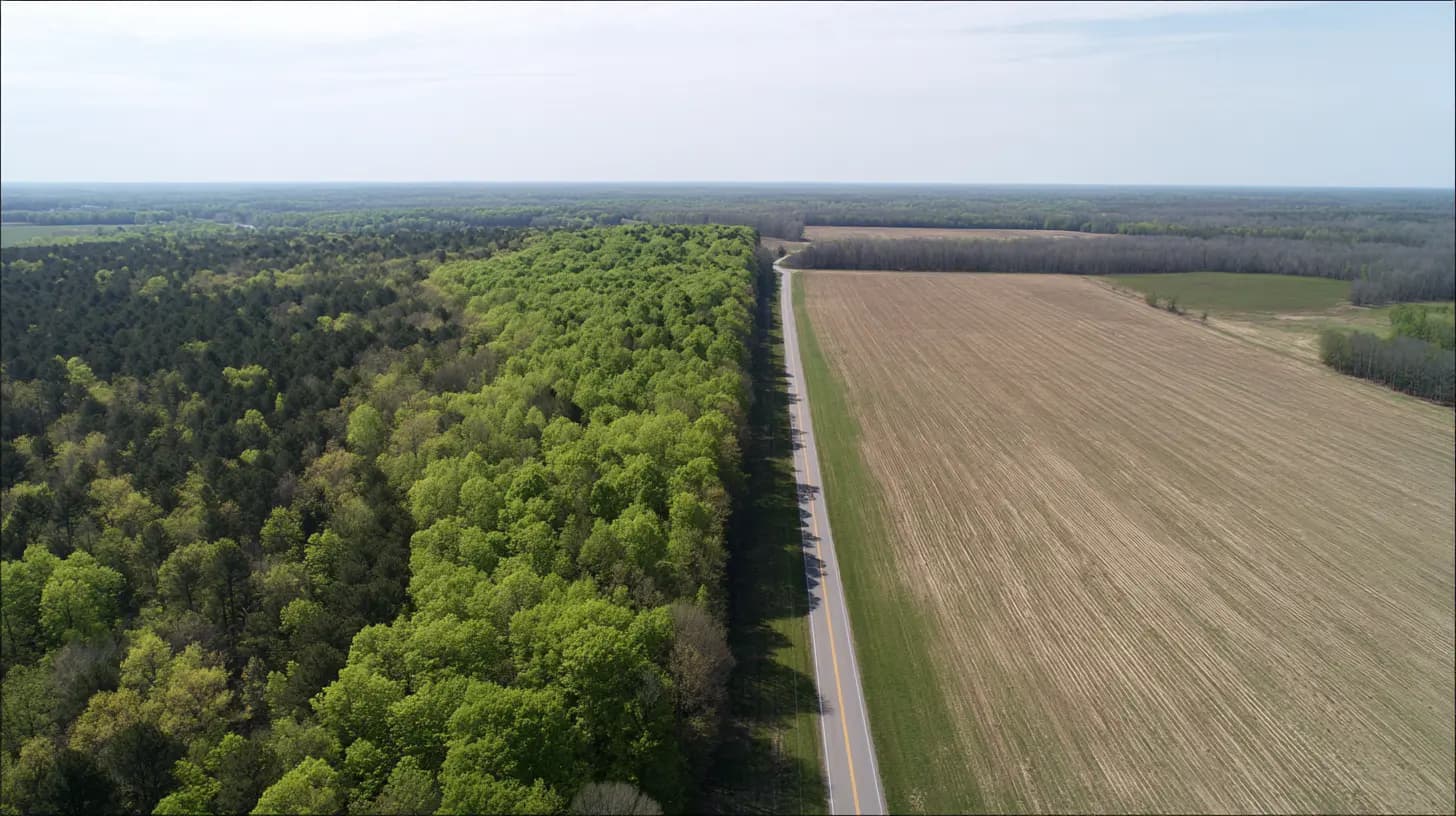
America's Most Forested States, Ranked
A data-first look at which states have the most forest cover, which have the least, and why forest land is not the same as the tree canopy people actually experience.
Where College Degrees Concentrate - and Where They Don’t
More than a third of U.S. adults 25+ now hold a bachelor’s degree. But the distribution is sharply uneven across states and metros.
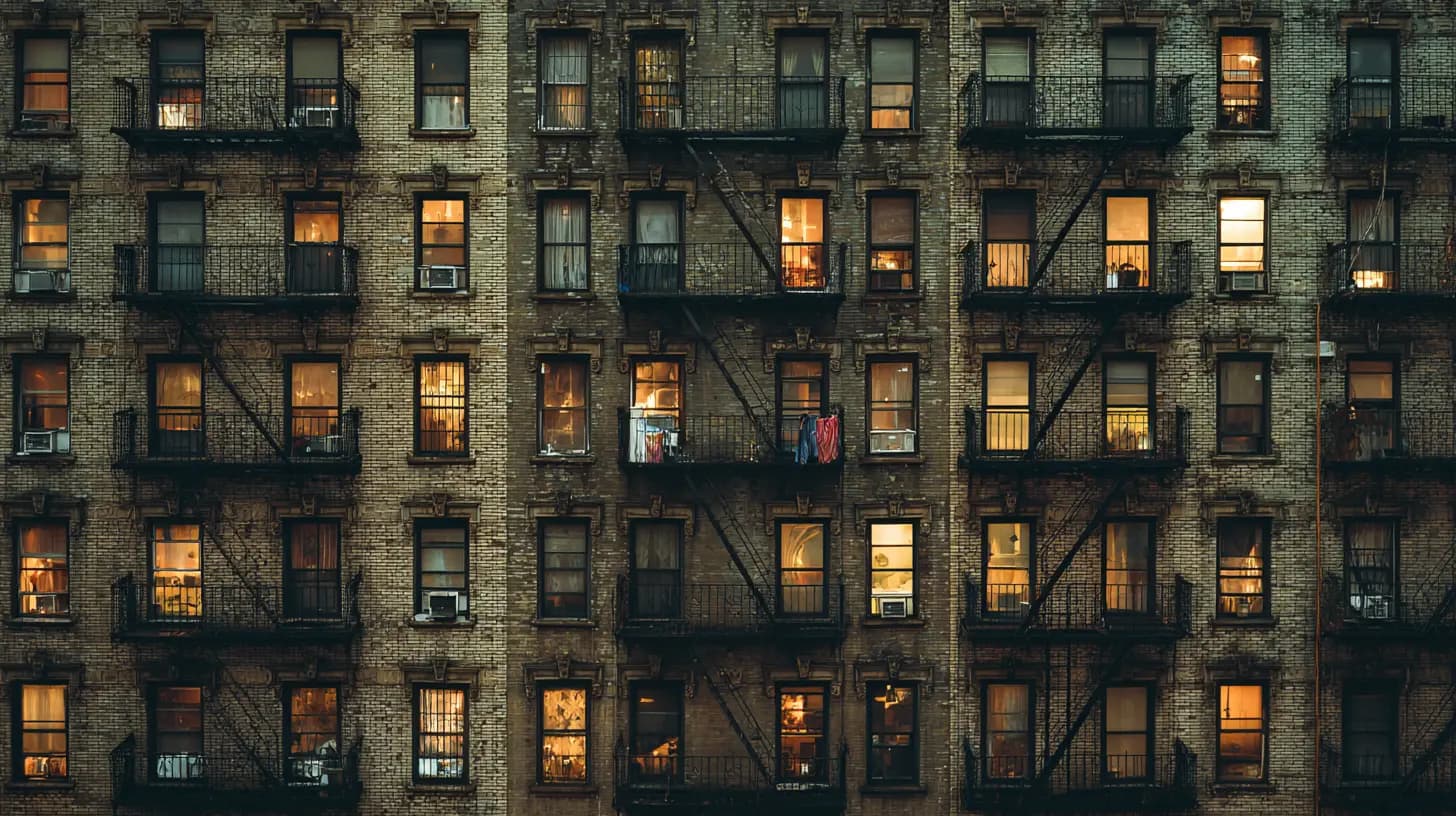
More Than Half of U.S. Renters Are Cost-Burdened
A majority of American renters now spend 30% or more of their income on housing. The burden is sharpest in Florida, where 6 of the 10 most-burdened metros cluster.